Save on all trips — book by 04/12/2026.

Limited-time savings are available on ALL trips — reserve by 04/16/2026
Morocco Tourist Scams: The Most Common Tricks and How to Stay Safe
- March 28, 2026
- 13 min read
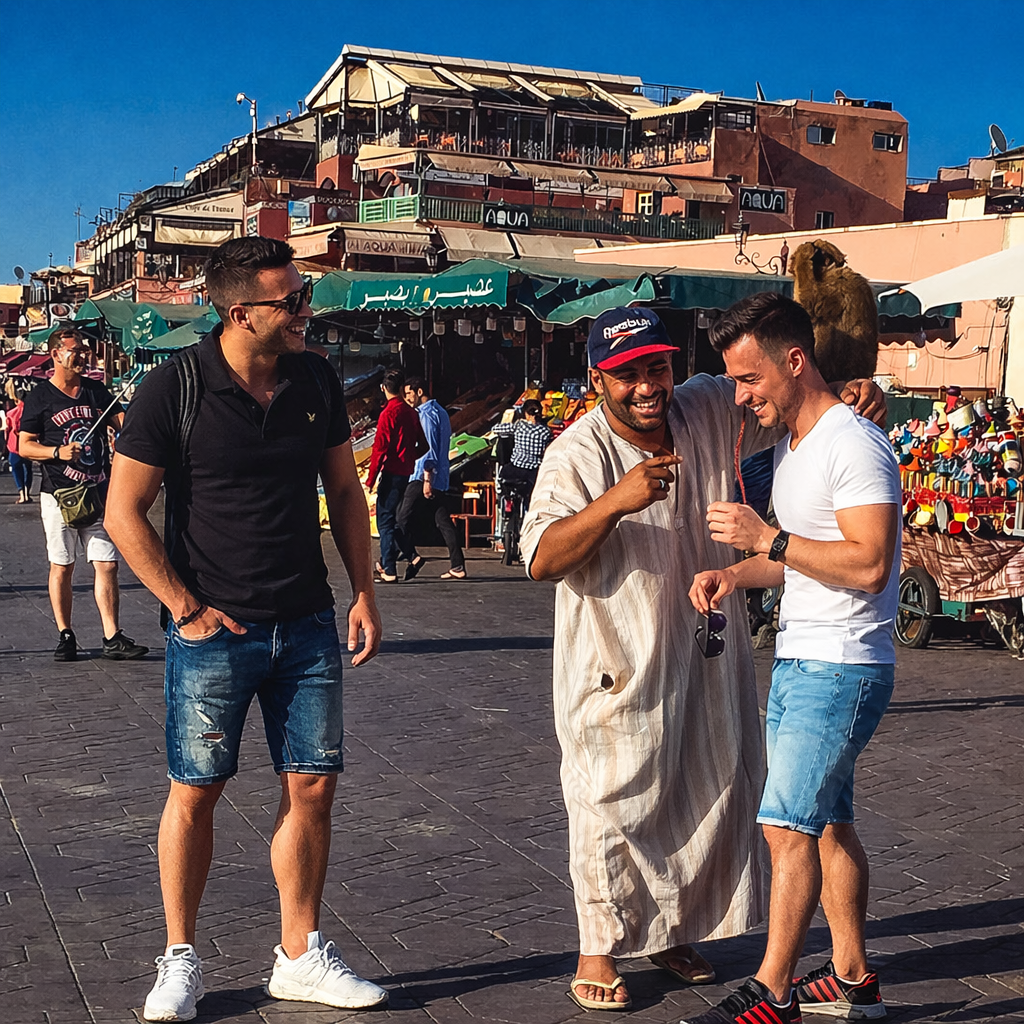
Morocco is one of the most rewarding travel destinations in the world. From the colorful souks of Marrakech and Fes to the golden dunes of the Sahara and the mountain villages of the Atlas, the country offers unforgettable experiences for every kind of traveler.
However, like many popular tourist destinations, Morocco also has a few common tourist scams that visitors should know about before they arrive.
That does not mean Morocco is unsafe or that every interaction is suspicious. In fact, most Moroccans are warm, welcoming, and genuinely helpful. Still, understanding the most common tourist tricks can help you travel with more confidence, avoid unnecessary stress, and enjoy your trip much more.
In this guide, we’ll explain the most common tourist scams in Morocco, how they usually happen, and the best ways to stay safe without becoming paranoid.
Are Tourist Scams Common in Morocco?
Tourist scams do exist in Morocco, especially in busy tourist areas such as medinas, markets, transport hubs, and major cities like Marrakech and Fes. However, most scams are not dangerous or violent.
In most cases, these are small tricks designed to confuse visitors, pressure them into paying, or take advantage of unfamiliarity with local prices and customs. As a result, travelers may pay too much, feel stressed, waste time, or end up somewhere they did not intend to go.
Fortunately, these situations are usually easy to avoid once you know what to look for.
Taxi overcharging, fake guides, pressure selling, false directions, and “free” services that end with a demand for money.
Stay calm, confirm prices early, avoid following strangers casually, and use trusted providers whenever possible.
The Most Common Tourist Scams in Morocco
1. The “This Road Is Closed” Scam
One of the most common tricks in Moroccan medinas happens when someone approaches you and says the street is closed, blocked, or not the right way to your riad. The person then offers to guide you through a “better” route. In many cases, they later demand money for helping you or lead you to a shop or business where they receive a commission.
How to stay safe:
- Double-check directions on your phone before changing route.
- Ask a shopkeeper or official-looking person instead of following a stranger.
- If you need help, agree clearly in advance if payment is expected.
2. Unofficial Guides in the Medina
In cities like Marrakech and Fes, some people may begin “helping” you without being asked. For example, they might walk with you, point out places, or start explaining things as if they are your guide. At the end, they ask for money, sometimes in a pushy way.
How to stay safe:
- Say politely but firmly: No guide, thank you.
- Walk confidently and avoid long conversations if you do not want help.
- Book licensed guides through trusted companies or your accommodation.
3. Taxi Overcharging
Taxi scams are among the most common issues visitors face in Morocco, especially in airports, train stations, and tourist-heavy areas. Common problems include refusing to use the meter, quoting inflated fixed prices, claiming the meter is broken, or taking a longer route than necessary.
How to stay safe:
- Ask the driver to use the meter before getting in.
- If there is no meter or the driver refuses, agree on the price first.
- Carry small cash and ask your riad or hotel what the normal fare should be.
4. Fake Help at ATMs or Ticket Machines
Sometimes a stranger may offer to help you use an ATM, parking machine, or train ticket machine. While some people may genuinely be trying to help, in other cases it can be a way to distract you, see your PIN, or pressure you into giving a tip.
How to stay safe:
- Never share your PIN or let anyone handle your card.
- Use ATMs attached to banks when possible.
- If someone approaches, politely refuse and step away if needed.
5. Henna Scams in the Souk
In busy tourist areas, especially in Marrakech, a woman may suddenly grab your hand and start applying henna without properly asking. Once the design begins, she demands payment, often much more than expected.
How to stay safe:
- Keep your hands to yourself in crowded souks.
- Say no immediately and keep walking.
- Only get henna from a place where the price is clearly discussed first.
6. The “Free Gift” Trick
Someone may hand you a bracelet, souvenir, or small item and act as if it is a gift. Once you touch it or show interest, they ask for payment. Usually, this works by creating social pressure and making tourists feel awkward about refusing.
How to stay safe:
- Do not accept items you did not ask for.
- Hand them back immediately if possible.
- Keep walking and avoid long conversations.
7. Shop Pressure and Inflated Prices
Moroccan souks are famous for shopping, bargaining, and local crafts. However, some tourists are pressured into entering shops or paying far more than necessary, especially if they seem unfamiliar with local pricing. This is not always a scam in the strict sense, but it can feel manipulative when a seller uses pressure, confusion, or false urgency.
How to stay safe:
- Never feel forced to buy anything.
- Compare prices in more than one shop.
- Leave if the atmosphere feels too pushy.
8. Fake or Misleading “Official” Information
A person may claim your hotel is closed, your destination has moved, or an attraction is shut for the day, then redirect you somewhere else where they get a commission. This is especially common with riads, shops, and parking areas.
How to stay safe:
- Call or message your accommodation directly if something sounds suspicious.
- Confirm the information yourself before changing plans.
- Be skeptical of strangers who urgently redirect you somewhere else.
9. Overpriced Camel or Photo Offers
In tourist areas, someone may offer a quick free photo, a short camel ride, or a fun local costume photo. Afterward, they ask for money, sometimes much more than expected.
How to stay safe:
- Ask the exact price before taking part in anything.
- Avoid “free photo” offers with animals or props.
- Only join activities through trusted providers.
10. Change and Money Confusion
In markets or taxis, some sellers may give incorrect change, claim you handed over a smaller note, or move quickly to confuse the transaction. This is a classic tourist trick in many countries, not only Morocco.
How to stay safe:
- Count your money before handing it over.
- Say the amount clearly.
- Count your change before walking away.
- Carry smaller notes whenever possible.
11. “Friendly” Invitations That Lead to Sales Pressure
Sometimes a conversation starts warmly and naturally, then turns into pressure to visit a relative’s carpet shop, leather store, or argan cooperative. Not every invitation is dishonest, but some are designed mainly to move tourists into a sales environment.
How to stay safe:
- Be cautious when casual conversation quickly becomes a shopping invitation.
- Do not feel rude for saying no.
- A simple Thank you, but I already have plans is enough.
12. Tour or Excursion Misrepresentation
Some street sellers or unofficial agents may promote tours, desert trips, or day excursions that sound great but turn out to be very different from what was promised. Problems may include poor transport, hidden fees, rushed itineraries, or lower-quality accommodation.
How to stay safe:
- Book through reputable companies with reviews and clear itineraries.
- Ask exactly what is included before paying.
- Confirm pickup details, accommodation, meals, and extra costs in advance.
Important: Most tourist scams in Morocco are annoying rather than dangerous. The best protection is awareness, not fear. Staying calm and confident makes a big difference.
How to Stay Safe in Morocco Without Stress
The smartest approach is not paranoia. Instead, it is preparation. You do not need to be suspicious of everyone, but you should know how to handle situations calmly and clearly.
- Be polite, but firm. A simple No thank you or La, shukran is often enough.
- Do not follow strangers casually. Even friendly help should be treated carefully.
- Confirm prices in advance. This avoids most misunderstandings.
- Use trusted providers. This matters especially for guides, transfers, and desert trips.
- Keep your confidence. Looking uncertain can attract unwanted attention.
- Trust your instincts. If something feels too pushy or confusing, step away.
Is Morocco Still Worth Visiting?
Absolutely. Knowing about scams should not discourage you from visiting Morocco. The vast majority of travelers have an amazing experience. Morocco is beautiful, culturally rich, and full of generous people. A little preparation simply helps you avoid common annoyances and travel with more confidence.
Most Morocco tourist scams are opportunistic rather than dangerous. Once you understand the patterns, they become much easier to spot and avoid.
Final Thoughts
Morocco is a fantastic destination for culture, food, landscapes, and adventure. Like anywhere popular with tourists, it helps to be informed before you go.
Although tourist scams do exist, most of them are easy to avoid with a little awareness. For example, confirming prices in advance, refusing unwanted help, and using trusted services can make a big difference.
Ultimately, the goal is not to travel with fear, but to travel with confidence. Stay calm, trust your instincts, and you’ll be free to enjoy the very best of Morocco.
Explore Morocco With More Confidence
Want to experience Morocco with less stress, better local guidance, and smoother planning? Discover our private and small-group tours designed to help you explore Morocco comfortably and confidently.
Explore Our Morocco Trips
Julia Yee
Julia Yee
You May Also Like

What to Wear in Morocco as a Woman

Best Time to Visit Sahara Desert Morocco

Private Morocco Tours vs Group Tours
Copyright © OneTrip Morocco 2026